
South African Tourism Awards- Tourism awards chosen by travellers
Click for more info
The Oyster Box Hotel Crowned N0.1 Hotel in Africa in the Travel + Leisure World’s Best Awards 2026
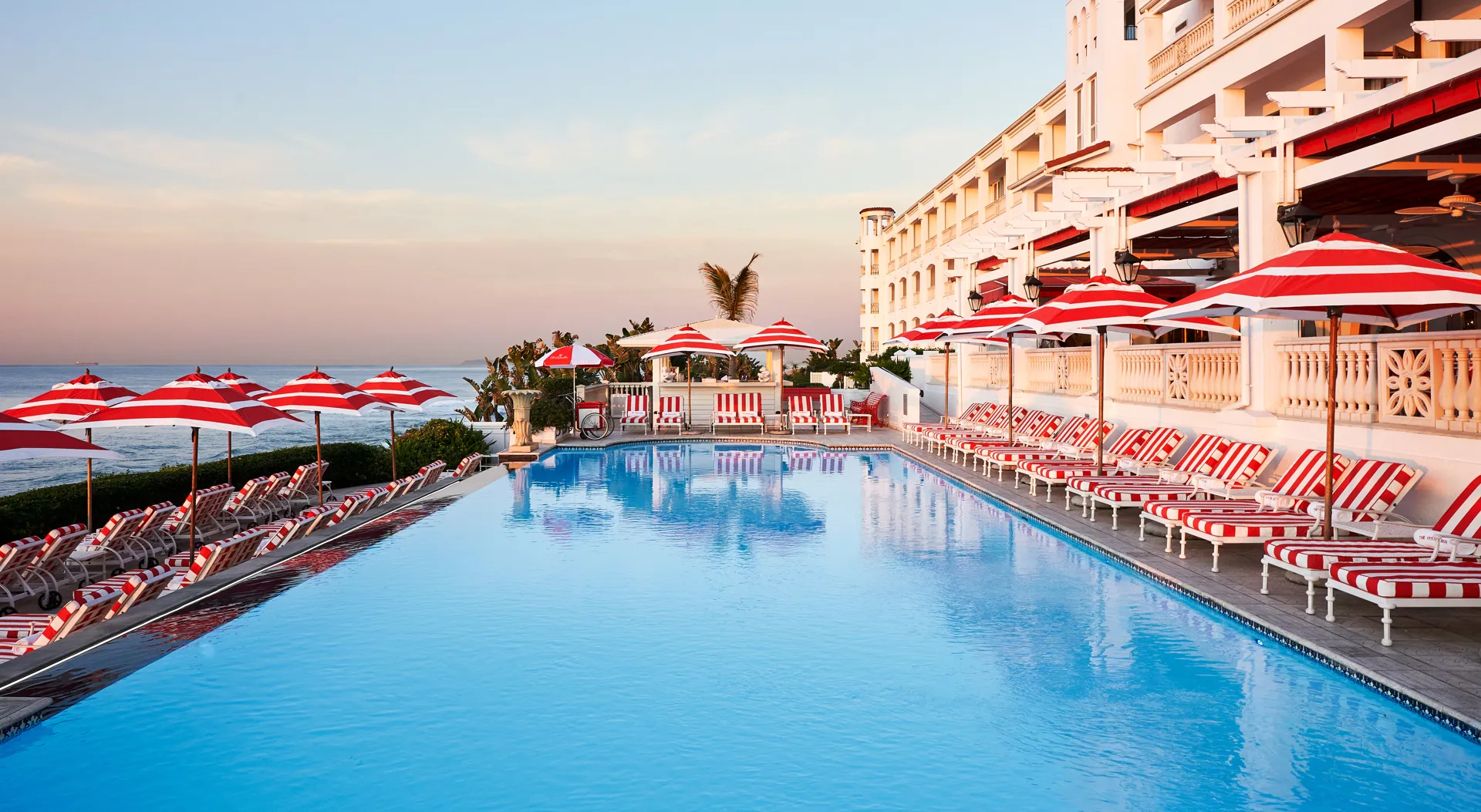
Red Carnation Hotels is celebrating a landmark year of recognition in the prestigious Travel + Leisure World’s Best Awards 2026, with The Oyster Box Hotel, South Africa, named the No.1 Resort in Africa, cementing its position as one of the continent’s most beloved luxury hotels. The accolade comes as sister South African property Bushmans Kloof Wilderness Reserve & Wellness Retreat is ranked No.3 Resort in Africa, highlighting Red Carnation Hotels’ exceptional presence across the region.
Recognised globally as one of the most influential and authoritative awards programmes in travel, the Travel + Leisure World’s Best Awards are determined by the publication’s highly engaged readership, who vote for the hotels, destinations and travel brands that have delivered the most memorable experiences. For nearly three decades, the awards have served as a trusted benchmark of excellence within the global hospitality industry, with winners reflecting the genuine preferences of discerning travellers worldwide.
The achievements form part of an outstanding year for Red Carnation Hotels, which was also ranked No.7 Best Hotel Brand in the World. Further accolades across the collection included Ashford Castle, Ireland, at No.2 Resort in the UK & Ireland, Hotel 41 at No.3 Best Hotel in London, and The Rubens at the Palace at No.10 Best Hotel in London, highlighting the strength and consistency of the family-owned collection across multiple markets.
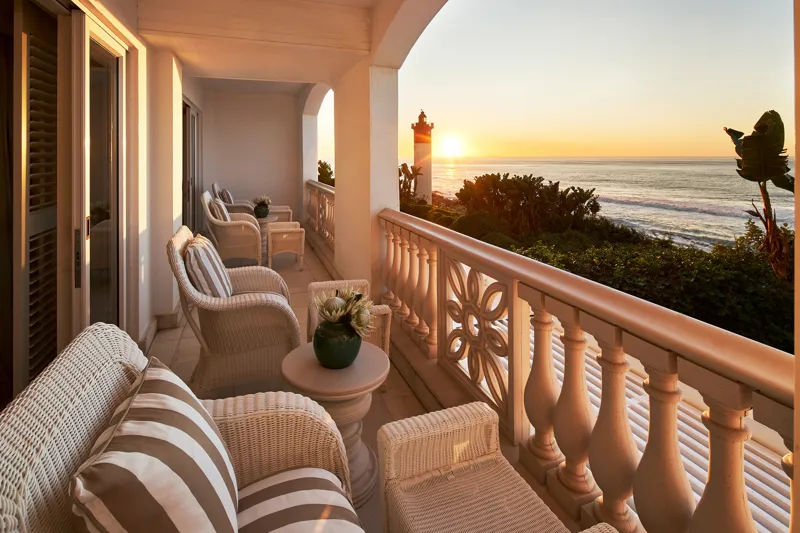
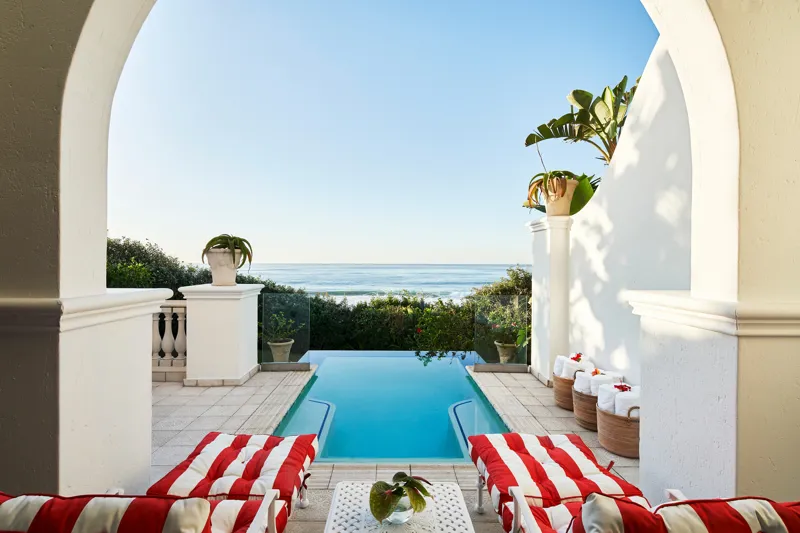
Situated on the shores of KwaZulu-Natal overlooking the iconic red-and-white uMhlanga lighthouse, The Oyster Box has become one of South Africa’s most celebrated hotels, renowned for its timeless elegance, intuitive service and strong sense of place. The hotel features 86 individually designed rooms, suites and villas, six dining and bar experiences, a celebrated spa, private cinema and curated experiences ranging from Zulu cultural tours to wildlife encounters. The property’s rich history is deeply woven into the story of Red Carnation itself, having been the location of founders Stanley and Beatrice Tollman’s first date decades before it joined the collection.
This latest recognition comes during a significant period of investment and evolution across Red Carnation Hotels. with recent developments including Stanley’s Rooftop Bar at The Chesterfield Mayfair, the newly unveiled Beatrice Suite and Le 17 at Hotel d’Angleterre Geneva, and the Family Suite at The Milestone Hotel & Residences. Honouring what came before while shaping what comes next, Red Carnation Hotels continues to evolve with care and intention. While design and experiences are continually refined, the family-owned collection continues to invest in its properties, champion long-standing teams, and celebrate the individual stories behind each hotel. Each space is shaped by its setting – from local character to architectural heritage – creating stays that celebrate the past while embracing thoughtful modernity.
Philisiwe Gumede, General Manager of The Oyster Box Hotel, said “Being crowned the No.1 Resort in Africa in the Travel + Leisure World’s Best Awards 2026 is an extraordinary honour and a reflection of the dedication, warmth and passion our team brings to every guest experience. The Oyster Box has long held a special place in South African hospitality, and this recognition celebrates not only our people, but also the remarkable destination we are privileged to call home. We are incredibly proud to represent both KwaZulu-Natal and Red Carnation Hotels on the global stage.”
The recognition of both The Oyster Box and Bushmans Kloof further reinforces Red Carnation Hotels’ enduring commitment to creating characterful, deeply personal hospitality experiences rooted in authentic destinations. Four generations in the making, the collection continues to build on its legacy of family ownership, intuitive service and meaningful connections, ensuring every stay is as memorable as the destination itself.
For more information, please visit https://oysterboxhotel.com/
Tintswalo Safari Named Among South Africa’s 15 Best Resorts by Condé Nast Traveler

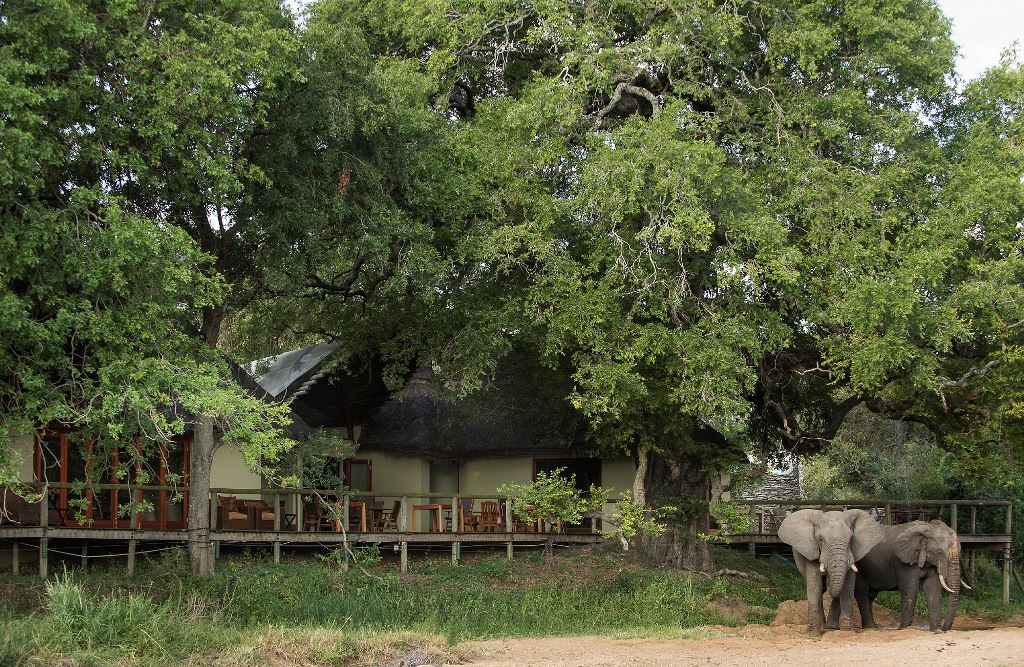
Tintswalo Safari in the Manyeleti Nature Reserve has once again been recognised as one of South Africa’s leading resorts in the prestigious 2026 Condé Nast Traveler Readers’ Choice Awards – this year ranking seventh among South Africa’s 15 Best Resorts.
It is the sixth time that Tintswalo Safari has appeared in the Condé Nast Traveler Readers’ Choice Awards, reinforcing the lodge’s enduring appeal among discerning international travellers and its reputation as one of South Africa’s best destinations for an authentic wildlife experience.
Scoring 97.72, Tintswalo Safari was recognised as one of the readers’ ‘favourite places to view wildlife in South Africa’, highlighting the enduring appeal of its intimate safari experience in the greater Kruger region.
The 2026 Readers’ Choice Awards were based on more than 798,867 survey responses from readers across the United States, who rated their travel experiences around the world and identified the destinations and properties they most eagerly anticipate revisiting. With a legacy spanning decades the Readers’ Choice Awards remain one of the travel industry’s most respected accolades, with winners determined by the experiences and recommendations of travellers themselves.
The recognition is particularly meaningful for Tintswalo Safari as the founding lodge of the Tintswalo Collection, which established the foundations of the Tintswalo brand and its distinctive approach to hospitality when it first opened in 2003. Today, Tintswalo is known to offer a profound connection to place, genuine warmth, personalised service and immersive experiences that allow guests to experience South Africa in an authentic and meaningful way. From its beginnings, the lodge has combined the thrill of a Big Five safari with the personal, understated luxury and heartfelt hospitality that have become hallmarks of the Tintswalo name.

What began with Tintswalo Safari has since grown into the wider Tintswalo Collection, a portfolio of seven family-owned and managed properties situated in six unique locations stretching from the beach to the bush – distinctive properties located in some of South Africa’s most spectacular destinations. Yet the original safari lodge remains at the heart of the story of this family-owned brand.
‘Tintswalo Safari will always be very special to us because it is where the Tintswalo story began’, says Lisa Goosen, CEO of Tintswalo Collection. ‘To be recognised by Condé Nast Traveler once more is an extraordinary achievement and a wonderful affirmation of the experiences our team continues to create. The lodge has a remarkable sense of history, but it has never stood still. Our teams continue to evolve the guest experience while remaining true to the values on which Tintswalo was founded – genuine hospitality, a deep respect for the wilderness and creating meaningful memories for our guests. In an awards category where we compete against numerous spectacular lodges and resorts, we are incredibly proud that the original Tintswalo continues to resonate with travellers from around the world.’
For Tintswalo Safari, the 2026 Readers’ Choice recognition is a celebration not only of its position among South Africa’s leading resorts, but of the longevity of a property that has helped shape the identity of the Tintswalo Collection. As the original Tintswalo property, Tintswalo Safari remains deeply rooted in the wilderness that inspired its creation, offering guests the opportunity to slow down, reconnect with nature and experience the magic of the African bush.
TINTSWALO COLLECTION
Tel: +27 21 773 0900
Email: reservations@tintswalo.com
The Liz McGrath Collection Celebrates Triple Recognition in the 2026 Condé Nast Traveler Readers’ Choice Awards

The President Blue Wing Pool and View
The Liz McGrath Collection has achieved a significant triple recognition in the 2026 Condé Nast Traveler Readers’ Choice Awards, with all three of its properties ranked among the Top 15 Hotels in South Africa.
The three rankings reflect the breadth of The Liz McGrath Collection, with each hotel offering a distinct interpretation of South African luxury hospitality in a different setting. The Plettenberg secured #8 with a score of 97.52, The Marine #9 at 97.50, and The Cellars-Hohenort placed at #12 with a score of 96.90.
The achievement is particularly meaningful given the calibre of the 2026 South Africa ranking, which places The Liz McGrath Collection’s three hotels alongside some of the country’s most acclaimed properties.
The Readers’ Choice Awards have an unparalleled legacy as the travel industry’s longest-running and most prestigious reader-driven accolades. Recognition by Condé Nast Traveler readers represents a significant acknowledgement of excellence within the global travel sector. More than 798,867 survey responses from readers across the United States informed this year’s Readers’ Choice Awards, capturing travellers’ experiences across the globe and providing a comprehensive look at the places they most eagerly anticipate revisiting.
From the dramatic coastline of Plettenberg Bay and the whale-rich waters of Hermanus to the historic gardens and vineyards of Constantia, the Liz McGrath hotels are united by a shared philosophy of considered hospitality, a strong connection to place and an emphasis on highly personalised guest experiences.
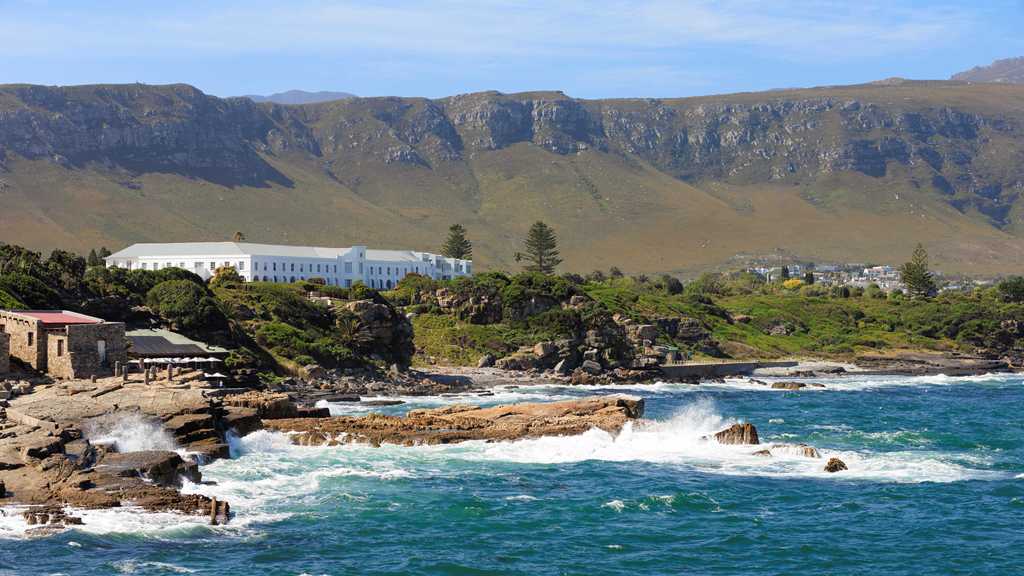
The Marine, Hermanus
‘The recognition of all three our hotels in the 2026 Condé Nast Traveler Readers’ Choice Awards is an extraordinary achievement for The Liz McGrath Collection. The Plettenberg, The Marine and The Cellars-Hohenort each offer an entirely different experience, shaped by their remarkable settings and individual character. To see all three recognised among the country’s Top 15 hotels is a wonderful acknowledgement of the people behind these properties and the care, passion and attention to detail that define the guest experience across the Collection’, says Jacqui Elliot, CEO of The Liz McGrath Collection.

The Cellars-Hohenhort Cellar Building Reception
About The Liz McGrath Collection
The Liz McGrath Collection comprises The Cellars-Hohenort, The Marine, and The Plettenberg – three iconic hotels that are proud members of Small Luxury Hotels of the World. Each of the three 5-star hotels boasts a unique location, mesmerising history, splendid design, and amenities and services that are second to none. The Collection features individually designed, sophisticated interiors, the most luxurious accommodations, award-winning gardens and world-class cuisine to exemplify South African hospitality.
Boschendal Named ‘South Africa’s Best Wine Tourism Experience’ in Tim Atkin South Africa Special Report 2026
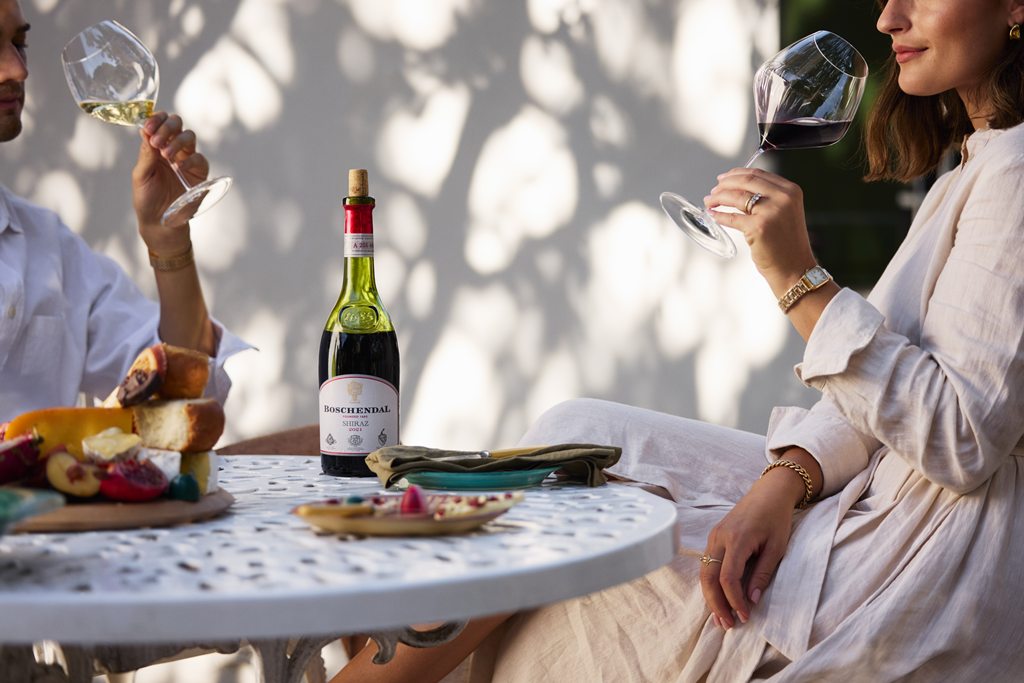
The historic Franschhoek estate proudly celebrates being awarded the Medal of Excellence for Best Wine Tourism in the Tim Atkin South Africa Special Report 2026, recognising the depth and diversity of its wine, hospitality and immersive estate experiences. The accolade arrives fittingly in September, as South Africa celebrates Tourism Month and the contribution tourism makes to the country’s cultural and economic landscape.
For more than 340 years, Boschendal has been shaped by a commitment to craft. Today, that same standard extends beyond the vineyard and cellar into the way guests experience the estate, from wine and food to hospitality, nature and celebration. The Tim Atkin South Africa Special Report is one of the leading annual assessments of South African wine. Authored by internationally acclaimed wine critic and Master of Wine Tim Atkin, the report provides an extensive review of the country’s wines, producers and evolving wine landscape. The Medal of Excellence represents significant recognition of Boschendal’s broader wine tourism offering.
Between 1 July 2025 and 30 June 2026, Boschendal welcomed 156,399 guests to the estate.


Wine remains at the heart of the experience, whether through Cellar Door tastings, premium Manor House tastings, Wine Tram visits or in-cottage experiences. Guests can also enjoy daily picnics, Friday Night Markets, weddings and private celebrations, Jeep vineyard tours and dining at Arum Restaurant, part of the FYN Group. For a deeper exploration of the estate, Boschendal’s Wine & Wander Safaris bring together wine, vineyards and landscape in an immersive journey through the property.
Together, these experiences reflect a considered approach to wine tourism, one that brings Boschendal’s wines, heritage and hospitality together in a way that feels unmistakably its own.
“Wine tourism at Boschendal is about creating a deeper connection with the estate, its wines, its people and its heritage” says Boschendal Estate CEO Amy Kropman. “This recognition is a wonderful acknowledgement of the many teams and individuals who bring that experience to life every day.”
More than 340 years of craft, experienced at Boschendal.
Tintswalo Boulders wins at 2026 Haute Grandeur Global Excellence Awards

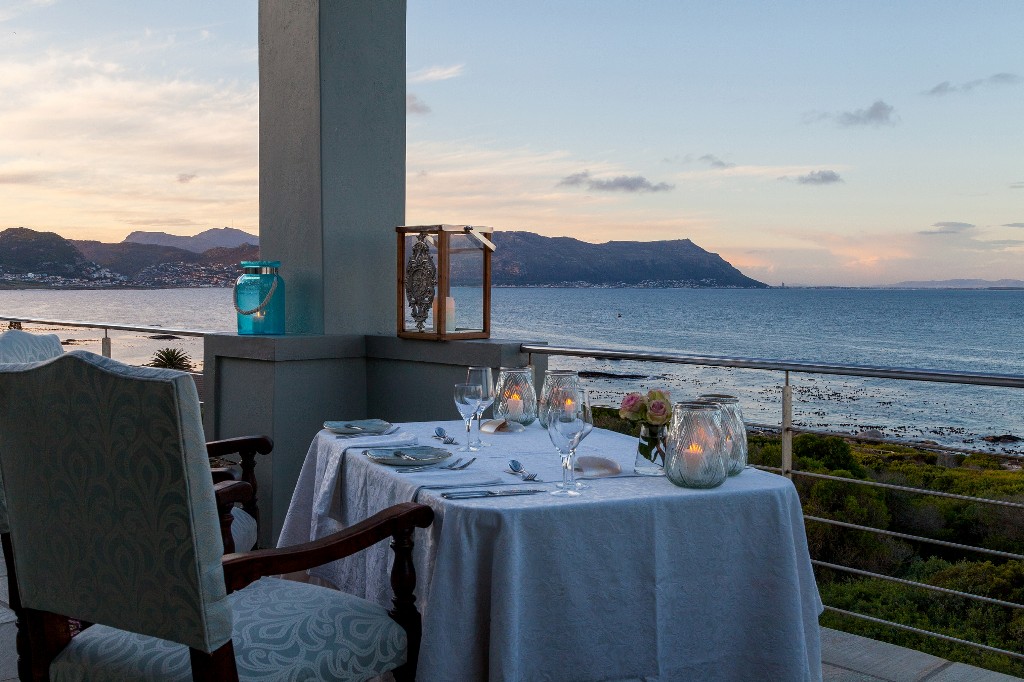
With unobstructed views across Boulders Beach and its world-famous resident colony of critically endangered African penguins, Tintswalo Boulders is surrounded by fynbos and boasts a unique beachfront location. Offering nine double suites, it operates on a bed and breakfast basis. It is also available on an exclusive-use basis for families and friends travelling together, sleeping 18 adults and two children.
Tintswalo Boulders has received international acclaim in the 2026 Haute Grandeur Global Excellence Awards, securing three prestigious titles that recognise its outstanding hospitality, world-class facilities and exceptional setting on Boulders Beach. The boutique villa was honoured as the ‘Best Beach Villa’ globally, ‘Best Rooftop View Hotel’ in Africa, and ‘Best Beachfront Hotel’ in South Africa.
Lisa Goosen, CEO of the Tintswalo Collection, congratulated the Tintswalo Boulders team led by General Manager Kirsty Viljoen. ‘We are honoured to receive these global accolades, which reflect the passion and commitment of Kirsty and the entire team. Their dedication to creating extraordinary guest experiences goes far beyond traditional hospitality, ensuring every stay is truly memorable. This recognition motivates us to continue innovating and raising the bar for Tintswalo hospitality.’
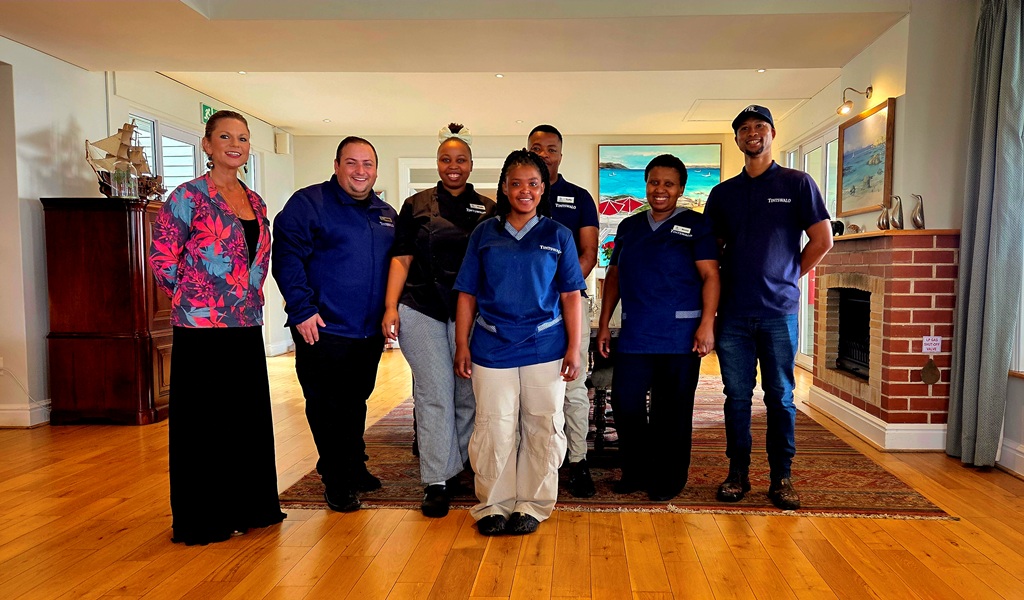 GM Kirsty Viljoen (left) with the Tintswalo Boulders team
For travellers seeking a family-friendly coastal escape, Tintswalo Boulders offers a unique retreat overlooking the famous Boulders Beach and its resident colony of endangered African penguins. The boutique villa features nine individually decorated suites, each named after historic ships, with selected suites offering private terraces, fireplaces and sweeping ocean views. Designed with families in mind, the property includes spacious living areas, a central courtyard with a fire pit, a cosy TV lounge and a heated plunge pool. Guests can also unwind at the on-site spa, which offers a variety of treatments as well as a heated indoor plunge pool and relaxation area available for couples’ experiences.
The Tintswalo Collection
The Tintswalo Collection comprises seven family-owned and managed properties situated in six unique locations, stretching from the beach to the bush, across South Africa.
In Cape Town, perched oceanside on a pebbled beach at the foot of Chapmans Peak, the award-winning boutique hotel, Tintswalo Atlantic is surrounded by the Table Mountain National Park – renowned as one of the Mother City’s most precious hidden gems. In Simon’s Town on the southern side of the Cape Peninsula, Tintswalo Boulders is located on Boulders Beach with views across the world-famous colony of endangered African penguins. Nearby, in the charming village of Glencairn Tintswalo Summer House is a beautifully restored heritage villa and restaurant offering an elegant and intimate seaside retreat with sweeping ocean views.
Sharing an unfenced boundary with the Kruger National Park, Tintswalo Safari is hidden within the pristine Manyeleti Private Nature Reserve, known for some of the best game viewing in South Africa. In the same private concession, Tintswalo Manor offers a fully-catered private lodge for families or small groups seeking a tailor-made stay on an exclusive-use basis. Within the Klaserie Private Nature Reserve in the Greater Kruger region, family-friendly Tintswalo Scops Rest offers an exclusive bush villa experience for a group of up to eight adults and children. Only three hours’ drive from Johannesburg, Tintswalo Waterberg is a comfortable family-friendly or corporate safari retreat within Limpopo’s malaria-free Welgevonden Game Reserve.
About Haute Grandeur Global Awards
In the realm of award initiatives, Haute Grandeur Global Excellence Awards stands unmatched. Excellence is recognized through guest feedback rather than votes from the general public or a panel of judges. This fair and transparent process ensures unbiased results – a concept unique to this brand. The Haute Grandeur Global Excellence Awards honour establishments that consistently excel in delivering remarkable hospitality experiences. The Awards recognise exceptional contributions by hotels, lodges, villas, resorts, retreats, spas, and restaurants worldwide. Association with the Haute Grandeur Global Excellence Awards guarantees global recognition, distinction, credibility, and influence. The awards are widely regarded as one of the highest accolades in the hospitality industry – a mark of unparalleled service excellence. For more information on the 2026 award winners, visit www.hautegrandeur.com
The 20 best places to travel in 2026
From a Polynesian island ringed by blue lagoons to the heart of Chile’s wine country, these are BBC journalists’ top destinations this year.
We love Dubrovnik – but so does everyone else. Yet, many visitors to Croatia may not know that nearby Montenegro is also home to beautiful seaside settlements, plus new hiking trails that connect mountain communities. Across the water from always-trendy Buenos Aires, Montevideo offers similar world-class tango, steaks and architecture, and is one of South America’s greenest cities. And while Rome may be eternal, Algeria’s got the ancient ruins without the crowds.
In this year’s guide to the best places to travel, we’re highlighting destinations that offer incredible experiences while using tourism to support local communities, protect the environment and preserve their unique cultural heritage. To compile our list, we tapped BBC staff, our trusted journalists and some of the world’s leading sustainable travel authorities to identify places that are enthusiastically welcoming visitors – and where your trip can have a positive impact.
Keep reading: your next great adventure awaits.
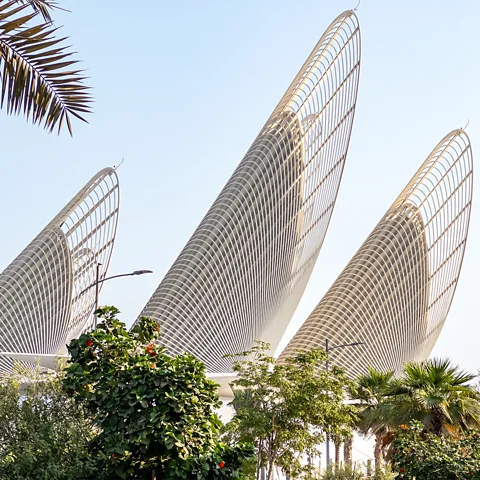
Abu Dhabi
Why go: A blockbuster year of cultural openings – plus new theme park excitement
A sense of anticipation is hanging in the desert air. After years of development, the city’s Saadiyat Cultural District – a project first signalled by the opening of Louvre Abu Dhabi in 2017 – is finally entering its defining phase.
The world’s largest digital art museum, TeamLab Phenomena, recently opened, followed by the landmark Zayed National Museum, where visitors can see what the collated dreams of the nation looked like before it struck rich with oil. Pearl diving wasn’t invented in the Emirates, but it has a huge story to tell, as does the influence of Islam, the spread of Arabic and the vision of the country’s founding father: the late Sheikh Zayed bin Sultan Al Nahyan.
Equally new amid the museum scrum is Natural History Museum Abu Dhabi, which rises above the Arabian Gulf as a succession of giant sugar cubes and is inspired by the region’s geology. And then there’s the much-talked-about, much-delayed, largest-ever Guggenheim Abu Dhabi. Expect the cavernous modern art gallery in late 2026 or even beyond that. (Just don’t mention the projected US$1bn/£751m cost.)
Beyond culture, Abu Dhabi is doubling down on theme park tourism. Yas Island’s vast entertainment zone is expanding, with Warner Bros. World Abu Dhabi adding a Harry Potter extension and Yas Waterworld building an additional mega-zone of slides and rides. Plans are also progressing for the Middle East’s first Disneyland, set to break ground on Yas in the coming years. It’s all an ambitious experiment that’s a long way from the yards and sand forts that once defined the city. – Mike MacEacheran
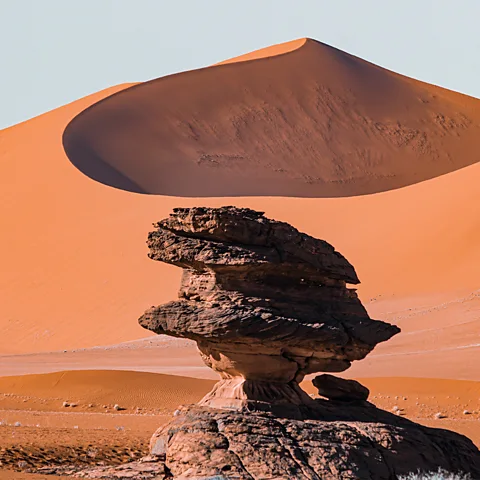
Algeria
Why go: Roman ruins, rolling dunes and cultural preservation
Home to grand Roman ruins, surreal desertscapes and historic cities with a mesmerising mash-up of architectural styles, Algeria’s rich tourism draws have long been kept at arm’s length by the nation’s famously complicated visa system. But the “sleeping beauty” of African tourism is finally waking up.
Algeria has been putting in the legwork to reach its goal of boosting international visitor numbers to 12 million per year by 2030. Recent developments include the introduction of a visa-on-arrival policy for travellers on organised tours, the launch of new airline Air Algérie subsidiary Domestic Airlines in August 2025, and a government commitment to step up the protection and preservation of its cultural heritage, including training and support for the nation’s 460,000 handicrafts artisans.
New tours launched by a number of major operators are also making it easier to visit in 2026. Most visitors begin in the seaside capital of Algiers, a former Phoenician outpost layered with the influences of its successive rulers. Preserving the relics of three millennia of occupation, Unesco World Heritage-listed Constantine is another urban highlight. Nearby are the sprawling, well-preserved Roman ruins at Timgad as well as those of Djémila, both with zero crowds to contend with. And the rolling dunes of the Algerian Sahara stretch for hundreds of miles beyond, with the oasis city of Djanet serving as a hub for desert exploration. – Sarah Reid
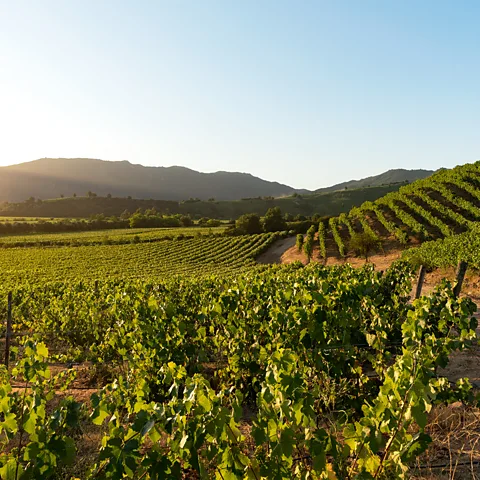
Colchagua Valley, Chile
Why go: Wine, cowboys and stargazing
Two hours south of Santiago, Chile’s Colchagua Valley stretches from the snow-dusted Andes along the Argentine border to the Pacific, following the corridor carved by the Tinguiririca River. While many travellers merely touch down in Santiago en route to Patagonia or the Atacama, heading south from the capital on a multi-day road trip reveals historic haciendas, scenic hikes and the heartland of Chile’s skyrocketing international wine scene.
Long before Vik – the nearby luxury vineyard-hotel in Cachapoal – was named the best winery in the world for 2025, established Colchagua estates like Viu Manent, Los Vascos, Casa Silva and MontGras were drawing visitors for leisurely tastings. The Colchagua’s culinary culture takes centre stage at places like Fuegos de Apalta, Francis Mallmann’s airy, sunny temple to fire-roasted dishes in the midst of the Montes Winery‘s vineyards.
Travellers can sleep among the vines, too. Clos Apalta, the esteemed Lapostolle winemaking family’s architecturally striking property, features 10 modern villas that protrude from a mountainside and seem to float over heritage Carménère, Cabernet and Syrah vine-covered slopes.
Wine aside, there’s plenty to see and do in Chile’s cowboy heartland, from rodeos to stargazing (including at the Cerro Chaman Observatory). Villages such as Santa Cruz and Lolol are home to lively markets and Spanish colonial-era adobe manor houses.
This year marks the 30th anniversary of Chile’s original Wine Route, a circuit that still showcases the region’s world-class food, wine and a culture that invites visitors to kick back, soak up the sun and stay a little longer. – Alexandra Marvar
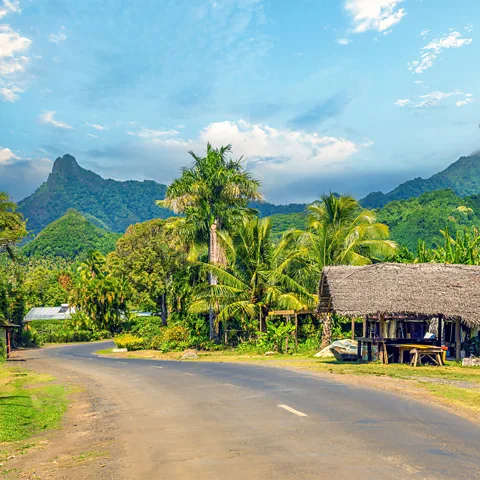
Cook Islands
Why go: New access to a paradisiacal Polynesian nation
Cook Islanders like to be visited – they’re the extroverts of the South Pacific, after all. Yet, compared to other destinations in Oceania like Fiji, tourist numbers are low so you feel like you’re a welcome visitor in their world, not a tourist in a resort.
Rarotonga, the largest and most populous island, is just 67 sq km, but everything great about the South Pacific is packed into it: triangular peaks reminiscent of Tahiti, a wild hinterland ringed by a blue-water lagoon and a proud Polynesian culture. Beyond Rarotonga – aside from honeymoon favourite Aitutaki – are 13 islands you can experience almost entirely for yourselves.
A new wave of barefoot luxury stays is transforming the islands and 2026 will see a major step up in cultural and environmental preservation. Custodians of Marae Moana – one of the world’s largest marine parks – are strengthening protections for its most significant sites. In Aitutaki, three motu (islets) in its pristine triangular lagoon now have special status. The government has also delayed deep-sea mining research until at least 2032. On land, Rarotonga’s sacred Maungaroa Valley – currently on Unesco’s Tentative List – teems with rivers and tropical rainforests that have never been developed.
And it’s never been easier to reach the Pacific’s most perfect little paradise. Hawaiian Airlines upgraded its Honolulu-Rarotonga route in June 2025 with more convenient daytime departures and new US connections via Alaska Airlines. Jetstar will launch the first direct Brisbane-Rarotonga flights in May 2026. – Craig Tansley
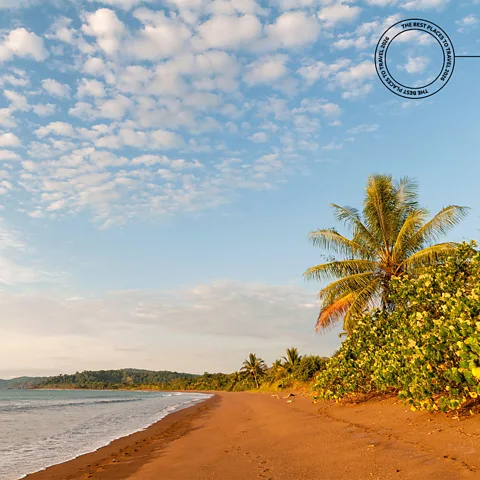 Costa Rica is strengthening conservation on both land and sea with a focus on jaguar habitats and shark protections (Credit: Alamy)
Costa Rica
Why go: One of the planet’s richest biodiversity hotspots is on the cusp of big change
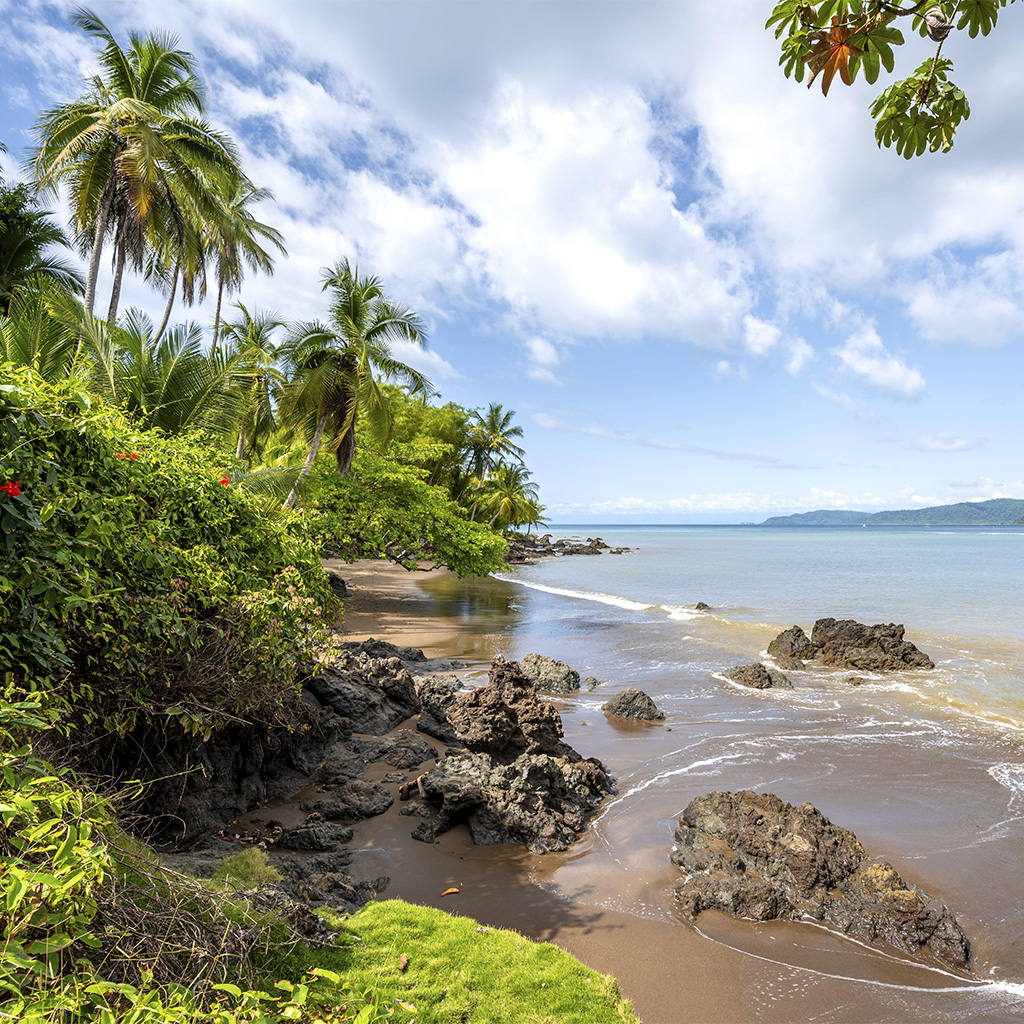
Costa Rica goes greener
“With its white-sand beaches, misty volcanic peaks, tropical rainforests and rich pre-Colombian and colonial history, Costa Rica offers travelers a range of attractions. As the first tropical country to reverse deforestation, the country boasts nearly 60% of forest cover and a quarter of its territory legally protected. The National Decarbonization Plan aims for carbon neutrality by 2050.”
– Jeff Greenwald, Ethical Traveler
Travellers who make it to this pint-sized Central American nation will find a rare convergence of wilderness and wellness. Rainforest spills onto empty beaches, macaws wheel over turquoise coves and the Pacific pounds a coastline that holds 2.5% of the world’s known terrestrial species within a single peninsula. You’ll wake to the sound of howler monkeys, paddle through mangrove estuaries alive with bioluminescence or ride world-class breaks and practice guided breath work, meditation or yoga before hiking into the depths of Corcovado National Park.
Direct flights from capital San José to nearby Puerto Jiménez make this remote corner easier to reach, just as conservation milestones are gathering pace. In 2026, local NGOs and national partners plan to expand protected areas on both land and sea – strengthening jaguar corridors in the rainforest and boosting protections for migratory sharks offshore. Community-run surf schools, holistic retreats and eco-lodges are leaning into this moment, offering a blend of adventure, wellness and regenerative travel. Sustainability-forward Lamangata Surf Resort powers itself with solar energy and recycles wastewater, while Blue Osa Yoga Retreat runs a Save the Sea Turtles programme in partnership with nonprofit Osa Conservation.
The Osa Peninsula invites travellers to slow down and connect with the ocean’s elemental pull while helping protect it. In a world of overtourism, this wild coast proves that luxury and sustainability can share the same wave. – Pier Nirandara
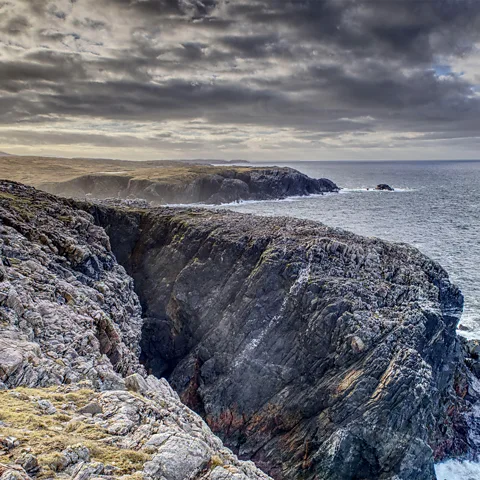
Hebrides, Scotland
Why go: A whisky boom, ancient stone circles, white-sand beaches and community warmth
Scattered along Scotland’s wild Atlantic coast, the Hebridean islands have long lured travellers with their heart-quickening sacred sites, castaway beaches and tight-knit communities. And this year, many have much more to brag about.
At the northern tip of the Outer Hebrides, Lewis is unveiling a long-awaited visitor centre for the Calanais Standing Stones, the mystical cruciform-shaped stone circle that predates Stonehenge. For the first time, Historic Environment Scotland will also introduce a visitor fee, helping safeguard 5,000 years of Neolithic history.
Far to the south, landing at Barra Airport’s unusual tidal beach runway still feels like stepping back in time. The island of chalky bays and medieval Kisimul Castle is gaining its first whisky distillery, putting the tiny village of Borve on the global spirits map. Whisky is already in the DNA of Islay in the Southern Hebrides, and demand for heavily peated single-malt Scotch continues to reshape the island. In whisky terms, it’s the last square on the Monopoly board – and 2026 will see the arrival of two new distilleries, taking the island’s total to 14.
First up is Laggan Bay Distillery from the brains behind other established Scottish spirit brands, including Rosebank, Glengoyne and Edinburgh Gin. Later in the year, visitors will be able to explore Portintruan Distillery, located outside Port Ellen where French luxury empire LVMH have opened the island’s first immersive, whisky-themed hotel, Ardbeg House.
There’s a sense that the whole island has been created as a perfect, almost smug, example of heartwarming Scottish hospitality. Tempted to visit? Book ahead for Fèis Ìle, Islay’s annual whisky festival, in May. – Mike MacEacheran
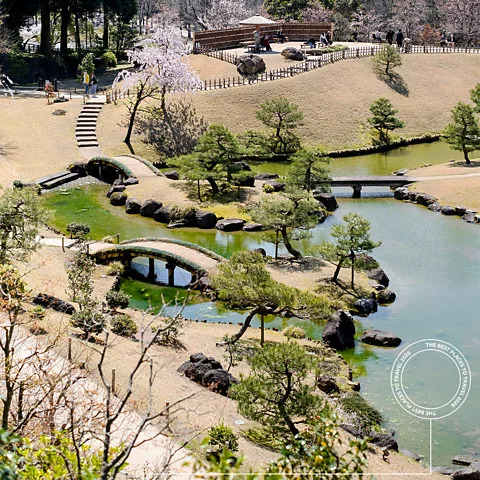
Ishikawa, Japan
Why go: Traditional crafts and award-winning sake
On New Year’s Day 2024, a 7.6-magnitude earthquake devastated Japan’s remote Noto peninsula in Ishikawa Prefecture. Two years on, local leaders are urging visitors to return to help support the area’s renewal.
In the prefecture’s south, the city of Kanazawa is just a bullet train ride from Tokyo and is home to Kenrokuen, one of Japan’s most famous gardens, as well as a thriving world of traditional crafts. Travellers can step inside gold-leaf workshops and try their hand at making their own silk-dyed Kaga Yuzen pieces. But it’s further north, in quake-hit Noto, where visitors can make the greatest difference. Here, “farmhouse inns” invite guests to join seasonal activities like rice planting, with proceeds helping to sustain families and the centuries-old terraced rice paddies of Shiroyone Senmaida.
The Noto peninsula is renowned across Japan for its seafood, centuries-old Wajima-nuri lacquerware and award-winning sake crafted by legendary Noto toji (master brewers). Many local breweries are once again operational, thanks to efforts like the Don’t Stop the Noto Sake project, which funnels revenue back to earthquake-damaged breweries.
Visitors who stay in family-run inns, eat at reopened local restaurants or buy traditional crafts from local artisans are helping to keep Ishikawa’s unique traditions alive at a moment when they are most at risk. It’s a chance to stand with communities rebuilding their homes and cultural heritage, ensuring this storied region thrives for generations to come. – Mizuki Uchiyama
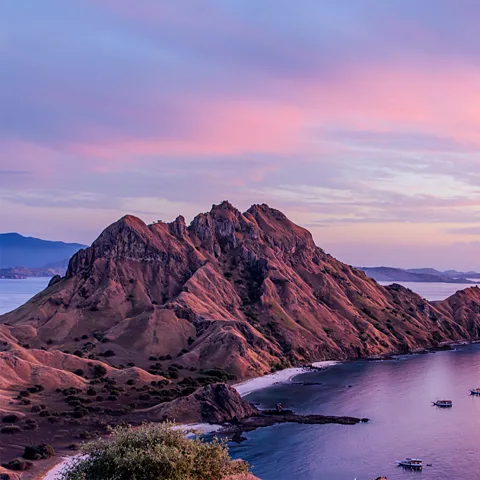
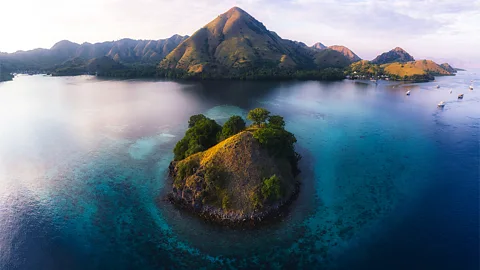
Komodo Islands, Indonesia
Why go: Prehistoric wildlife, delicate reefs and habitat preservation
Rising from the turquoise Flores Sea, the Komodo Islands remain one of the planet’s great wildlife theatres. Within this Unesco World Heritage-listed national park, pink-sand beaches meet savannah hills, coral gardens teem with manta rays and the world’s last wild population of Komodo dragons roams freely.
In 2026, Indonesia will mark the park’s 45th anniversary with new conservation programmes and visitor-management measures designed to protect both dragons and delicate reefs. Improved access – direct flights from Singapore and Kuala Lumpur to the gateway town of Labuan Bajo – makes it easier than ever to reach, while strict permits and ranger-led treks ensure tourism revenue supports local communities and habitat preservation. Travellers can explore by day-boat, stay in eco-lodges on nearby islands or sail between remote bays on traditional phinisi vessels for a deeper connection to the archipelago.
For those seeking adventure with purpose, Komodo offers a rare balance: close encounters with prehistoric wildlife, thriving marine biodiversity and a national park using tourism to safeguard its extraordinary ecosystem. – Pier Nirandara
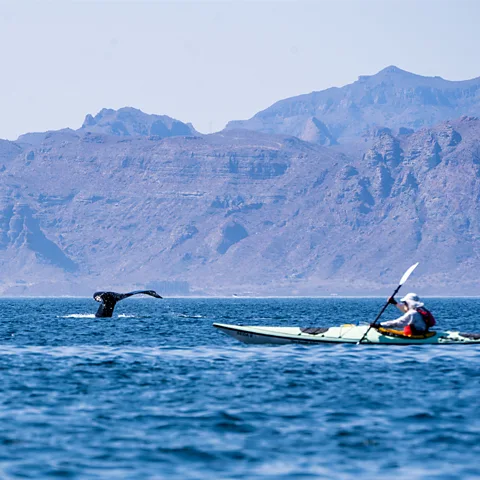
Loreto, Baja California Sur, Mexico
Why go: Wildlife-rich waters, desert islands and conservation-led adventure
As the 30th anniversary of Loreto Bay National Park approaches, its conservation story continues to deepen. The park protects more than 200,000 hectares of the Gulf of California – home to blue whales, sea turtles and colonies of California sea lions – and remains one of Mexico’s most influential grassroots-lead environmental wins
Now, the region is expanding its protected areas. Two new national parks – Nopoló and Loreto II – are under careful development, opening up thousands of hectares of desert canyons and mangroves and wildlife corridors for travellers to explore.
But Loreto’s appeal reaches beyond its landscapes. Here, conservation is woven into daily life. Former fishermen, now trained naturalist guides, lead kayak trips through desert islets and whale-watching outings that double as citizen-science experiences. Visitors can help identify migrating blue whales, join coastal clean-ups, or take part in annual conservation festivals that fill the plaza with music, food and storytelling. For community connection, local groups and cooperatives host guided desert walks and communal suppers where travellers share just-caught seafood with families and artisans.
With its historic mission, whitewashed streets and the Sierra de la Giganta mountain range rising behind it, Loreto feels both small-town intimate and majestically expansive – a place where visitors can join a hopeful story of ecosystems recovering and communities leading the way. – Diane Selkirk
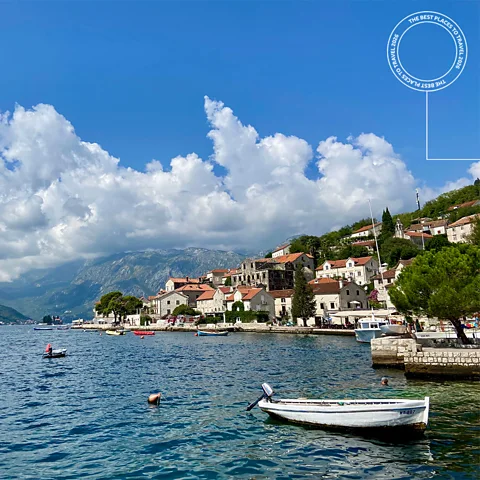
Montenegro
Why go: The dazzling Bay of Kotor and unspoilt wilderness
One of the world’s youngest sovereign states, Montenegro celebrates its 20th birthday in 2026. With a population of fewer than 650,000 people and a patchwork of Illyrian, Roman, Ottoman and Yugoslav influences, this fledgling Balkan nation has become primarily known for its coastline – particularly the glorious fjord-like Bay of Kotor with its well-preserved Venetian outposts and walled old towns. Its Adriatic resorts are increasingly popular with travellers looking beyond the crowded, trending coastlines of neighbouring Croatia.
Yet, few visitors explore the nation’s interior, where riverine plains give way to karst cliffs and forbidding peaks. Highlights include the pint-sized former royal capital of Cetinje, where a cluster of monasteries, palaces and museums provide a glimpse into the country’s history, and the biodiversity hotspot of Lake Skadar, one of the most important bird reserves in Europe, with some 281 species.
But Montenegro’s dramatic mountains are the real draw. The Prokletije range is one of the continent’s few surviving wildernesses, a realm of jagged peaks, dense forests and glacial lakes home to wolves and bears. It is also veined with hiking routes, including a section of the Peaks of the Balkans, a 192km hiking trail that also passes through Albania and Kosovo and aims to use sustainable tourism to stop the abandonment of remote mountain communities and generate income for their residents. – Shafik Meghji
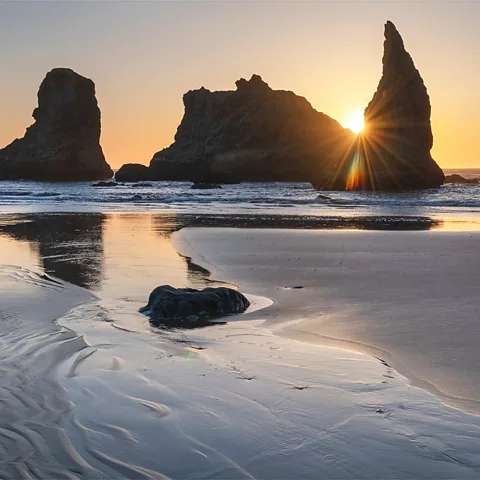
Oregon Coast, US
Why go: Fresh ways to explore one of the US’s most dramatic coastlines
Stretching nearly 370 miles from the dramatic cliffs of the Columbia River Gorge in the north to the towering redwood forests in the south, the Oregon Coast is a mesmerising mix of brawn and beauty. Wave-pounded shorelines splash against dense evergreen forests, lonely lighthouses poke their heads over the moody fog and migrating whales breach offshore from small-town fishing communities. And thanks to a 1967 landmark bill, Oregon is the only state in the nation whose entire coastline is free and public to everyone.
Though less visited than California’s coast, the white-sand beaches and brooding headlands along this stretch of US-101 are one of the country’s bucket-list road trips. But according to Kaitlyn Brajcich from Sustainable Travel International, those without their own wheels and EV owners will find more ways to experience the area in 2026.
“A seasonal shuttle now links Portland with coastal destinations, and a growing EV-charging network makes plug-in road trips more seamless. For those who prefer to pedal, bikes are available in many towns, or you can take on the 370-mile border-to-border [coastal cycling] route,” Brajcich said.
Brajcich adds that freshly caught seafood now stays closer to home thanks to a new effort to keep Oregon’s catch local, which supports communities that have long relied on these waters. Mobi-Mats laid over the sand and free beach wheelchairs enable more visitors to enjoy the shore, as does a new partnership with Wheel the World that maps inclusive lodging and experiences. And hotel stays booked through Every Stay Gives Back support the environmental nonprofits protecting this rugged, much-loved coast. – Eliot Stein
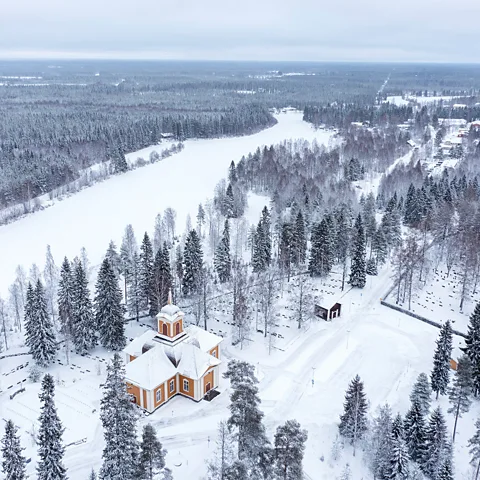
Oulu, Finland
Why go: An Arctic city in full creative bloom for its 2026 Capital of Culture year
Located just below the Arctic Circle, Oulu is stepping into the spotlight in 2026 as one of Europe’s Capitals of Culture – a milestone that promises to reshape how travellers see the quieter north of Finland. This accolade just adds to its growing list: the city already hosts the World Air Guitar Championships and is the self-declared winter-cycling capital of the world.
From January, the city and surrounding villages will host a year-long cultural programme that feels more like an evolving festival, with parties, pop-up performances, art installations and exhibitions. One highlight is the Arctic Food Lab, which brings Oulu’s Nordic-Arctic flavours to the fore through tastings and special dinners showcasing ingredients shaped by the region’s extreme soil and seasons. Another centrepiece is Climate Clock, a seven-piece public art trail created by leading Finnish and international artists in collaboration with scientists. Each installation reflects themes of creativity, climate change and our connection to “nature’s time”, echoing the city’s broader effort to encourage slower, more mindful travel.
Beyond the cultural programme, there are windswept islands to explore, sunset walks beside lighthouses and – of course – the quintessential Finnish sauna culture. In 2026, the region’s blend of frontier nature, Arctic heritage and cutting-edge creativity makes this low-key northern hub one of Europe’s most intriguing destinations. – Laura Hall
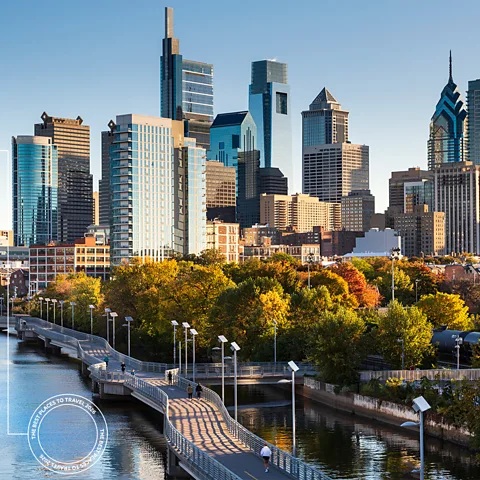
Philadelphia, US
Why go: The US’s 250th celebration and a big year for sports
The United States was born in Philadelphia on 4 July 1776. In 2026, the city again takes centre stage as it celebrates the nation’s 250th anniversary with a year-long programme of history, sport and art.
A major highlight is 52 Weeks of Firsts, a citywide series marking 250 years of Philadelphia’s pioneering spirit. Each Saturday, a different neighbourhood hosts a “First-ival” celebrating a Philly innovation or landmark – from the invention of bifocals to the founding of Mother Bethel AME Church, the oldest parcel of land in continuous African American ownership. Talks, performances and on-site activations bring these milestones to life where they first occurred.
From February to September 2026, The Franklin Institute hosts the Universal Theme Parks exhibition, offering travellers behind-the-scenes insight into the engineering and design of one of the world’s most popular theme parks.
Elsewhere, Mural Arts Philadelphia, the nation’s largest public art organisation, will run more than 50 artist-led workshops as part of Printmaking by the People, where visitors can join free events and help inspire a new mural reflecting what democracy means today. Guided mural tours led by local artists directly fund community art programmes and education initiatives.
Sports fans should also take note: Philadelphia is hosting FIFA World Cup matches, the MLB All-Star Game, parts of the NCAA March Madness tournament and the PGA Championship. Add in RockyFest, marking 50 years since Rocky Balboa ran up the Philadelphia Museum of Art steps, and travellers will find a city brimming with history, creativity and pride. – Mizuki Uchiyama
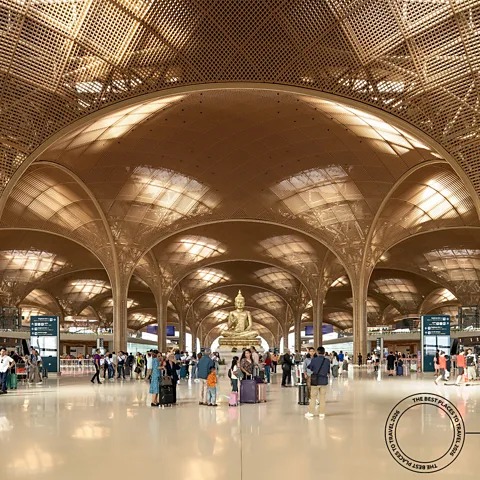
Phnom Penh, Cambodia
Why go: A new era for Cambodia’s capital, with creative, sustainable openings reshaping the city
Mondulkiri’s conservation tourism
“A six-hour bus trip from Phnom Penh, [find opportunities] to connect with nature. At Jahoo wildlife tours, local guides lead dawn treks to spot gibbons swinging overhead. The Elephant Valley Project is an ethical sanctuary where rescued animals roam freely, without rides or tricks.” – Kaitlyn Brajcich, Sustainable Travel International
Phnom Penh is having a moment. Long overshadowed by Siem Reap, the capital is stepping confidently into 2026 with the launch of the new Techo International Airport, Cambodia’s largest-ever infrastructure project. The futuristic terminal – bedecked with a giant silver Buddha – is expected to improve international access throughout 2026, with new routes from the UAE, Turkey, China and Japan, making the city easier to reach than ever.
On the ground, Phnom Penh is changing fast. The city that had just one traffic light 15 years ago is now a showcase for sustainable urban tourism, from its new Chaktomuk Walk Street – a pedestrianised riverfront street that turns into a weekend festival of Khmer street food, local crafts and live music – to the electric tuk-tuks owned by the newly opened Rosewood Phnom Pehn hotel that are being used to ferry guests around the city.
The city’s welcoming feel is no accident, thanks to Cambodia’s pioneering late architect, Vann Molyvann, who stated that no building could rise higher than the Royal Palace. His legacy is suddenly everywhere in 2026: Molyvann’s former 1960s home has reopened as a design-focused cafe and mini-museum inspiring the next generation of Cambodian architects, while other Modernist buildings are being restored by young creatives.
A new wave of Gen Z-led sustainable boutiques, distilleries and third-culture coffee shops reflects a growing homecoming movement among young Cambodians. Visitors can sip award-winning spirits made from local botanicals, taste Khmer dishes once banned during the war and wander leafy lanes lined with heritage shophouses. – Claire Turrell
Visiting Cambodia
In light of the Cambodia-Thailand conflict, the US State Department and UK Foreign Office have issued warnings to travellers looking to visit locations near the border. Phnom Penh and the country’s major destinations remain unaffected, but travellers should check current advisories before visiting.
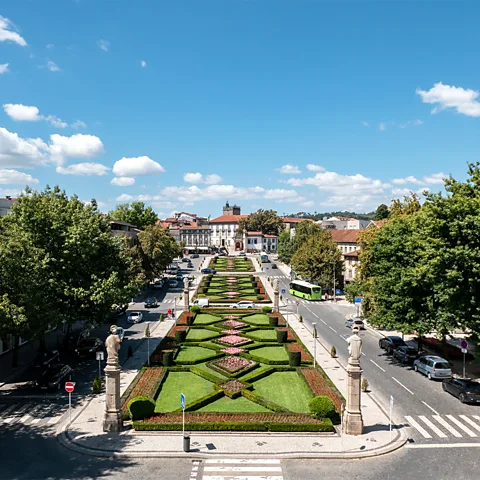
Guimarães, Portugal
Why go: The birthplace of Portugal – and Europe’s Green Capital for 2026
Just 65km inland from Porto, Guimarães is astonishingly under the radar for a city considered the 12th-Century birthplace of Portugal and its first capital. Its beautifully preserved medieval core is a tangle of cobbled squares and lanes dotted with grand palaces and terraced restaurants, from Michelin-starred spots to laid-back eateries and craft beer bars. A short drive away, the nearby site of Citânia de Briteiros is a dramatic ancient hilltop settlement dating back to 9th Century BC.
But Guimarães is no museum piece. The city has a youthful, creative energy thanks to being one of Portugal’s oldest university towns, with nearly half the population younger than 30. Contemporary culture sits comfortably alongside its medieval streets: futuristic galleries built for its 2012 European Capital of Culture title mingle with museums in ancient cloisters and hipster spots carved out of old factories.
In 2026, Guimarães celebrates both 25 years of Unesco World Heritage status and its new title as Europe’s Green Capital – recognition of two decades of sustainability work embedded across the city. Wander newly created green city oases and artfully repurposed heritage buildings or stroll along the banks of restored riverbanks, with a fleet of electric buses linking the projects together. It’s a forward-thinking, quietly confident city – and one of Europe’s most compelling surprises for 2026. – Norman Miller
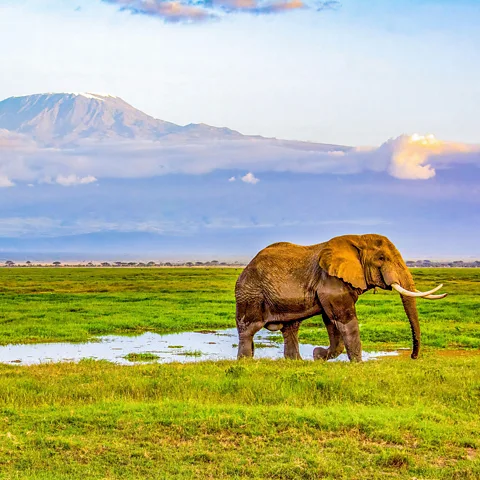
Samburu, Kenya
Why go: Crowd-free landscapes, rare wildlife and Kenya’s newest astro-experiences
Beyond the bustle of Nairobi and the traffic jams of the Masai Mara lies Samburu County, a remote swathe of northern Kenya that has long prioritised its environmental and community-led conservation efforts. In 2026, the often-overlooked region is sharpening its focus on impact-driven adventure with a new astrotourism project, two conservation-driven camp openings – Basecamp Samburu and Soroi Samburu Lodge – and ongoing work on a climate change action plan that prioritises reforestation and renewable energy.
Travellers arriving at the semi-arid landscapes along the Ewaso Nyiro River will find an ever-increasing crop of conservancies and projects showcasing the traditions of the Samburu (Lokop) people. At Soroi Samburu Lodge, which will be fully open by mid-2026, guests can visit local projects and swap stories with Samburu members around the fire.
Wildlife conservation remains central across Samburu’s nine conservancies, including the “Samburu Special Five“, a collection of rare animals endemic to northern Kenya. Track black and white rhinos with Saruni Basecamp – both populations have grown in the last year – or help care for orphaned elephants at the community-owned Reteti Elephant Sanctuary and learn about conservation at its education-focused visitor centre.
Night-sky enthusiasts can explore the wonders of the cosmos with Samburu Sopa Lodge’s astrotourism project, a first-of-its-kind endeavour that launched in September 2025. Listen to ancient star lore from Indigenous guides, join astrophysicists at Kenya’s first astrotourism planetarium and sleep under the equatorial sky on Basecamp Samburu‘s designated star beds, with constellations visible from both hemispheres. – Alicia Erickson
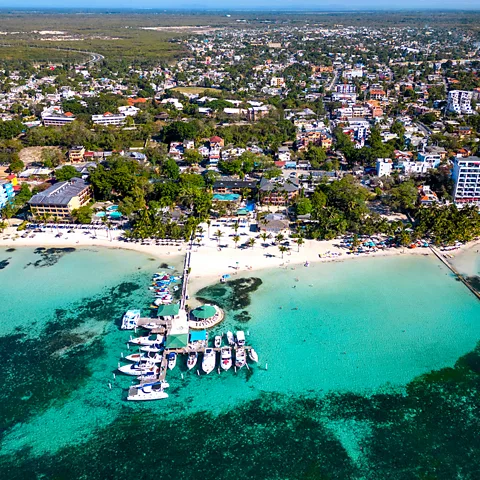
Santo Domingo, Dominican Republic
Why go: Experience the festive buzz of a city reborn
In 2026, Santo Domingo is ready to celebrate. Selected to host the 25th annual Central American and Caribbean Games from 24 July to 8 August, the oldest European city in the Americas is preparing for an influx of athletes from 37 countries to compete in the 100th anniversary of the competition.
The city has been busy preparing. In 2025, the 16th-Century Zona Colonial underwent a major renovation that included the restoration of 15 heritage facades and 11 cobblestone streets. The Juan Pablo Duarte Olympic Center has also been updated, with a tactile paving strip to guide visually impaired visitors as part of an effort to make both the Games and the city more inclusive.
Visitors should explore the city’s nearby white-sand beaches and world class music scene. Santo Domingo is the beating heart of merengue and bachata culture, which provide a throbbing soundtrack to its February Carnival celebration and multi-day summertime Merengue Festival. The Isle of Light festival returns in March, and making a much-anticipated comeback after a 10-year hiatus is the city’s Presidente Festival – one of Latin America’s emblematic music events, showcasing major Dominican and Latin American talent.
New luxury inaugurations for 2026 include the Hyatt Place Santo Domingo Piantini (summer) and the recently opened Ocama, a villa-only hotel overlooking Rincón Bay in the verdant Samaná Peninsula. The Ocama now arranges helicopter charter transfers from Santo Domingo to the Samaná province, a former pirate haven whose coves, rainforests and turquoise waters were declared an Ecotourism Province in May 2025. – Eva Sandoval
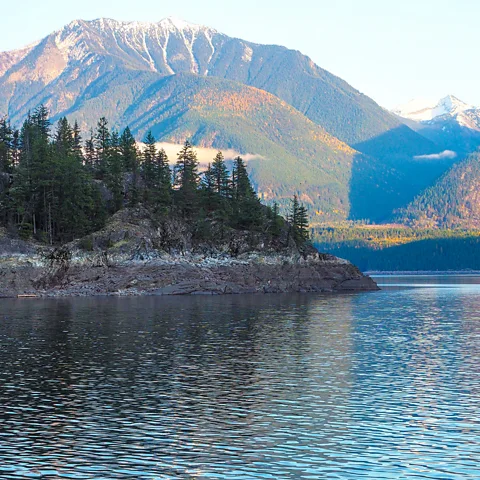
The Slocan Valley, British Columbia, Canada
Why go: Walk a powerful new trail that honours a defining chapter in Canadian history
Set within a valley of clear lakes and deep forests and framed by the Purcell and Selkirk mountains, the Slocan region has long drawn travellers seeking raw, rugged beauty. In 2026, the Japanese Canadian Legacy Trail – a self-guided route honouring those forcibly uprooted and confined here during World War Two – will add deeper meaning to that landscape.
Between 1942 and 1946, more than 22,000 Japanese Canadians were displaced from coastal communities and sent inland to hastily built internment sites in farmers’ fields and abandoned mining towns such as Sandon in the Slocan Valley. Despite the hardships – the loss of homes, livelihoods and community – the internees built schools, gardens, cultural spaces and support networks. Their children and grandchildren would later contribute profoundly to Canada’s civic, artistic and academic life.
Accessible by car, bike or foot, the new 60km (37m) trail follows country roads and rail trails, linking museums, memorial gardens, a lakeside internment site and community-led exhibits developed with Japanese Canadian families. Between stops, travellers can pause at farm-to-table cafes, paddle the still waters of Slocan Lake, browse craft studios, take a dip in a hot spring or practise shinrin-yoku in old-growth forest.
The trail offers a reflective, place-based way to understand a dark and pivotal chapter in Canadian history at a moment when questions of belonging feel especially urgent. For valley communities, the new initiative honours the past while sustaining the region’s future. – Diane Selkirk
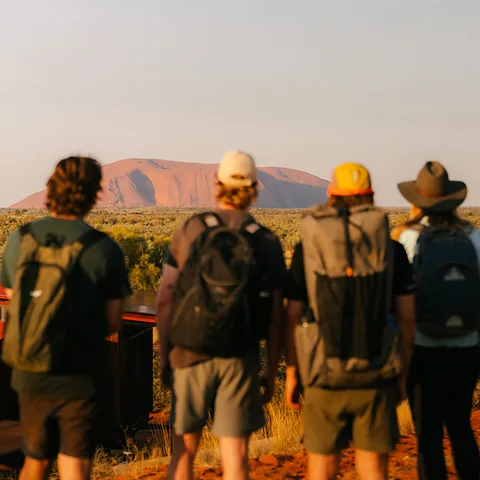
Uluru, Australia
Why go: A landmark anniversary – and a new way to walk on ancient, sacred land
October 2025 marked 40 years since the historic Uluru Handback returned this sacred place to its Anangu Traditional Owners – a milestone that continues to reshape how Australia engages with Aboriginal sites. The nation has come a long way since visitors were once encouraged to climb what was then known as Ayers Rock, a practice formally banned in 2019. Today, Anangu are telling their stories on their own terms and travellers can connect with this ancient land in deeper, more meaningful ways.
The biggest moment of the year will be the launch of the Uluru-Kata Tjuta Signature Walk: a five-day, four-night journey linking the soaring domes of Kata Tjuta with the base of the world-famous red rock. The route traces 54km (33.5m) of Anangu-mapped trails through desert oak forest, spinifex plains and red-dune country normally closed to the public. It is also the only way travellers can sleep inside Uluru-Kata Tjuta National Park – a rare privilege made possible through a decade of collaboration with Traditional Owners – staying in beautifully crafted eco-camps and a new lodge that’s been designed to melt into the desert palette. Already named one of the Great Walks of Australia, it blends sunrise hikes, stargazing decks and Indigenous-led workshops, with a share of revenue returning directly to community partners.
Beyond the trail, travellers can experience two extraordinary nightscapes: Wintjiri Wiru, the Anangu-led drone-and-light storytelling experience above the desert; and Field of Light, marking its 10th anniversary in 2026 as Bruce Munro’s now-iconic installation of 50,000 glowing stems. – Ellie Cobb

Uruguay
Why go: Flamingo-filled lagoons, world-class steaks and sustainability
Located between Brazil and Argentina, Uruguay is one of South America’s smallest nations wedged between the continent’s two largest. Yet despite its modest size, it offers a dazzling array of wildlife excursions, colonial architecture and windswept dunes – and has quietly become one of the region’s most progressive destinations.
An inclusive destination
“IGLTA considers Uruguay one of the most progressive countries in the world. It is lauded as one of the safest places for [LGBTQ+] travellers to visit and live.” – Jeff Greenwald, Ethical Traveler
The nation generates 98% of its electricity from renewable sources, it consistently ranks as one of the safest places for LGBTQ+ travellers and its Uruguayans by Nature campaign encourages visitors to respect the environment while supporting local communities.
More than half of Uruguay’s roughly 3.5 million residents live in Montevideo, the vibrant capital that has the feel of a seaside resort despite remaining a busy port. Though long overshadowed by Buenos Aires just across the River Plate, Montevideo is also one of the birthplaces of tango, home to world-class steaks and hosts South America’s longest carnival celebration (lasting at least 40 days) from January to March.
Beyond the capital, the Portuguese-founded city of Colonia del Sacramento is an architectural treasure trove, while the fertile grasslands of the pampas are scattered with cattle ranches producing some of the finest beef on the planet. Uruguay’s coastline is peppered with glorious beaches, surf spots, party towns and quiet fishing villages – not to mention the flamingo-filled lagoons of Laguna de Rocha and Laguna Garzón and the rippling sand dunes of Cabo Polonio. – Shafik Meghji

Botswana and Morocco Named in BBC Guide to the Best Places to Travel in 2025
Travel and exotic destinations hold many meanings to different people – some see it as a way to escape their busy lives, while others can see it as a way to reconnect with themselves and their environment.
But the one thing about travel that everyone can resonate with is its extraordinary ability to connect, inspire, and transform our lives. Whether it’s listening to the sounds of a gushing waterfall in Newfoundland, or rediscovering nature with the hikes and camping sites of Nuuk in Greenland, we’re constantly reminded of the world’s breathtaking beauty.
However, 2024 has shown that the travel industry faced many challenges – some of the status quo go-to destinations have struggled with overtourism – leading to new restrictions as they contended with the strain on their environments and communities.
In response, the BBC has released its inaugural guide on the Top 25 Best Places to Travel in 2025 on BBC.com and the BBC app, highlighting destinations that are not only welcoming visitors and offering incredible travel experiences, but also using tourism to support local communities, protect the environment or preserve their unique cultural heritage.
These locations have been handpicked by BBC Travel journalists and leading sustainable travel organisations such as the United Nations World Tourism Organization, Sustainable Travel International, the Black Travel Alliance, and the World Travel & Tourism Council.
A big win for African tourism was that destinations like Botswana and Morocco featured in the top 25 locations to visit this year – with the BBC emphasising how responsible tourism can leave a lasting positive impact on these regions.
Rif Mountains, Morocco

Snow-dusted peaks, vast deserts, ancient cities, and a rich cultural heritage have cemented Morocco as one of North Africa’s crown jewels. However, the Al Haouz earthquake of September 2023 brought significant challenges to parts of Marrakech and the Atlas Mountains, disrupting lives and the nation’s vital tourism sector. In the wake of this devastation, Morocco is rebuilding not just its infrastructure but also its reputation as a premier global destination. With plans to co-host the 2030 FIFA World Cup, the country aims to double its tourist arrivals by 2030.
For those seeking to venture beyond the usual hotspots, Morocco’s northern Rif Mountains offer an off-the-beaten-path experience. A road trip through this lesser-explored region unveils stunning landscapes and hidden gems far from the crowds.
The upcoming expansion of Morocco’s High-Speed Rail (HSR) network from 2025 to 2027 promises even greater accessibility, connecting Rabat to Fez, a 1,300-year-old walled city steeped in history. Fez, home to a Unesco World Heritage medina, will also play host to several Africa Cup of Nations 2025 games.
From Fez, journey 65km north to Moulay Idriss, a serene hilltop village that once welcomed only Muslim visitors. Traverse olive and almond groves and make a stop in Ouezzane, a spiritual hub for Sufism, before heading into the rugged beauty of Talassemtane National Park. Here, hikers can immerse themselves in cedar forests, explore dramatic red cliffs, and cool off in natural swimming pools.
Further north lies Chefchaouen, Morocco’s famed “Blue Pearl,” with its mesmerizing blue-painted streets and buildings. Cap off your adventure along the northern coast, where tranquil Mediterranean fishing villages like El Jebha and the charming Spanish colonial architecture of Tetouan await.
Whether you’re drawn by Morocco’s natural splendour or its cultural treasures, this resilient nation offers countless reasons to explore – and even more to return.
Botswana

Renowned as Africa’s leader in green safari tourism, Botswana has long been celebrated for its sprawling wildlife reserves and its pioneering high-income, low-impact ecotourism policies. This approach, which limits tourist numbers to protect the environment, has helped preserve the country’s pristine wilderness.
Now, as Botswana emerges from the effects of the Covid-19 pandemic and transitions under a new government, its tourism sector is poised for growth in 2025. With an increasing global demand for sustainable and culturally rich travel experiences, Botswana is ready to captivate more visitors than ever before.
To encourage tourism and stimulate economic growth, Botswana has extended visa-free entry to travellers from 104 countries, including the US, UK, Germany, and Canada. This has opened the door for even more adventurers to experience the country’s extraordinary natural beauty.
Highlights include Chobe National Park, aptly nicknamed the “Elephant Capital of the World,” and the Unesco-listed Okavango Delta, a sprawling oasis in the Kalahari Desert and one of the last refuges for cheetahs and black rhinoceroses.
Exciting developments are on the horizon in the Okavango Delta for 2025. The solar-powered Mbamba Camp, set to open in April, will provide an eco-luxury retreat in the northern delta, blending comfort with family-friendly wildlife encounters. In May, Monachira Camp will debut, offering visitors the chance to embark on walking safaris, glide through serene waters on mokoro canoe rides, and enjoy up-close encounters with elephants, lions, and the elusive Pel’s Fishing Owl.
To make exploring Botswana even easier, Air Botswana will introduce new routes connecting Gaborone to Cape Town starting in April 2025. These routes will simplify access to Botswana’s incredible wilderness, further enhancing its reputation as a sustainable travel destination.
With its unmatched wildlife, forward-thinking conservation efforts, and renewed focus on sustainable tourism, Botswana invites travellers to discover its magical landscapes while treading lightly on the earth.
To explore more about why Botswana and Morocco are leading examples of tourism that uplifts communities and preserves culture, read the full article on BBC Travel: The 25 Best Places to Travel in 2025.